Write-up by: Earl Jerald Fadriquela Cansino Φ2024
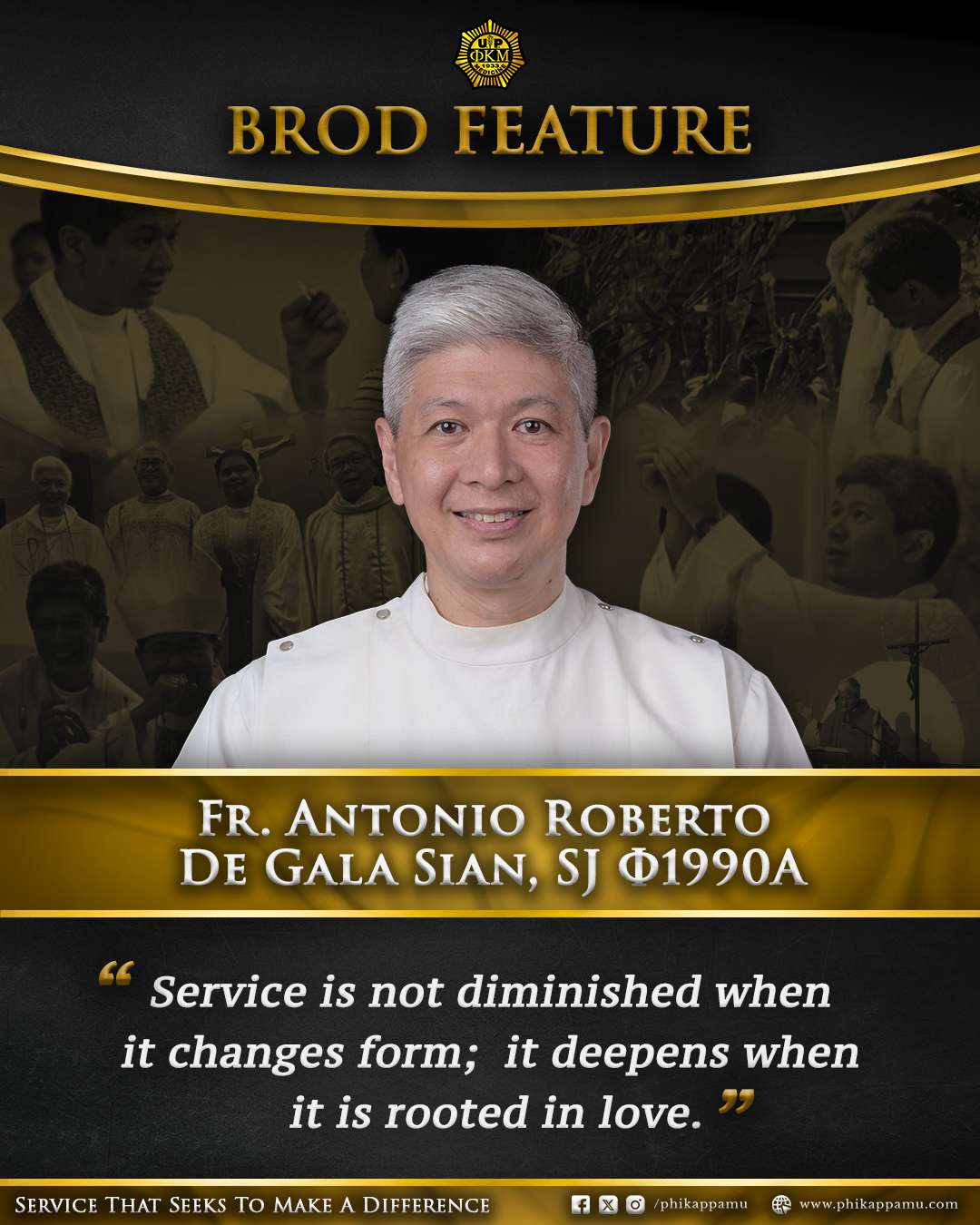
Brod Robbie’s service was never a straight road. It unfolded gradually, shaped by family, tested in hospital corridors, sustained by fraternity fellowship, and ultimately reoriented by faith. What emerges from his journey is not a rejection of medicine nor a retreat into spirituality, but a deeper understanding of what it truly means to heal.
Long before medical school or fraternity life, faith had already formed part of that foundation. Raised in a large Filipino family, religion was woven into daily life through two distinct expressions of Catholicism: a mother who was more progressive and relational, and a father who was more traditional and conservative. These differences did not cancel each other out; instead, they quietly shaped his interior life.
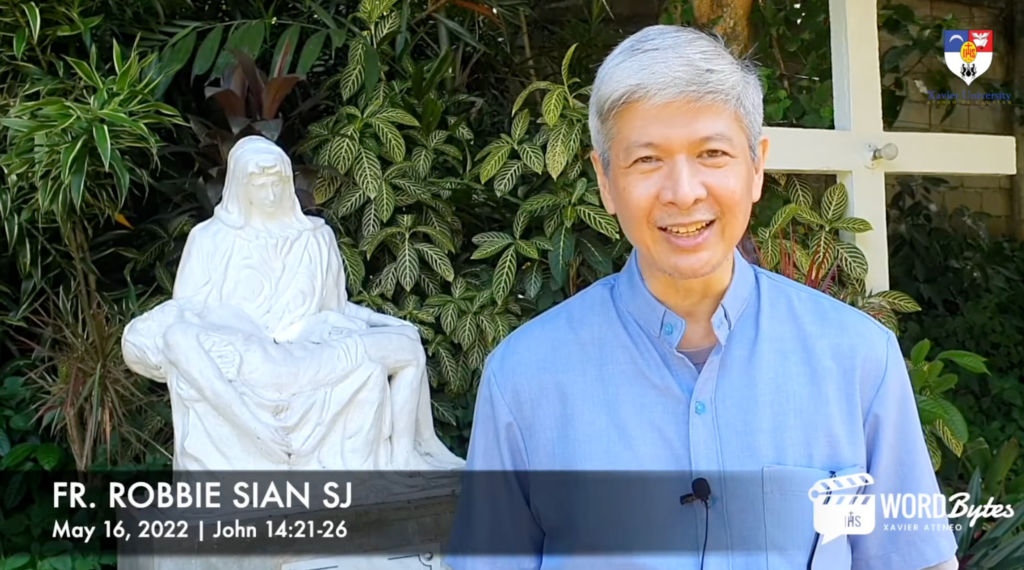
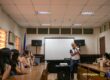
Photo credits from Wordbytes Xavier Ateneo Video (2022) https://www.youtube.com/watch?v=QMP59N_P31c
“That kind of had an effect on me,” Brod Robbie reflects. “I lost religion in med school, but I would still hear Mass every Sunday. Because of the upbringing. Because of my parents.” Even during seasons of doubt, faith remained a quiet companion, less a set of answers than a habit of return. It was an early lesson that belief does not disappear simply because it is questioned.
With that grounding, medicine initially felt like a natural path toward service. Encouraged by teachers and mentors, Brod Robbie entered training believing that becoming a doctor was a concrete way to help others. But the demands were unrelenting. “I realized I’m not for this kind of demand,” he admits. “By third year, I wanted to quit already.” He stayed, not because everything felt right, but because perseverance mattered. Medicine taught him discipline, humility, and a truth that would later echo beyond the hospital: “There are no textbook cases. There’s no one-size-fits-all.” It was a lesson that would later resurface beyond the hospital and into his current vocation – the priesthood.
After finishing college in UP Diliman, Brod Robbie found himself entering another unfamiliar world, this time in UP Manila. Moving from the province to Diliman had already required adjustment, but the transition into medical school marked a deeper break from what was familiar. He was beginning an uncharted path, surrounded by new expectations, new peers, and a different rhythm of life, still finding his place within it. It was at this point of transition and quiet vulnerability that the Phi Kappa Mu Fraternity entered his life.
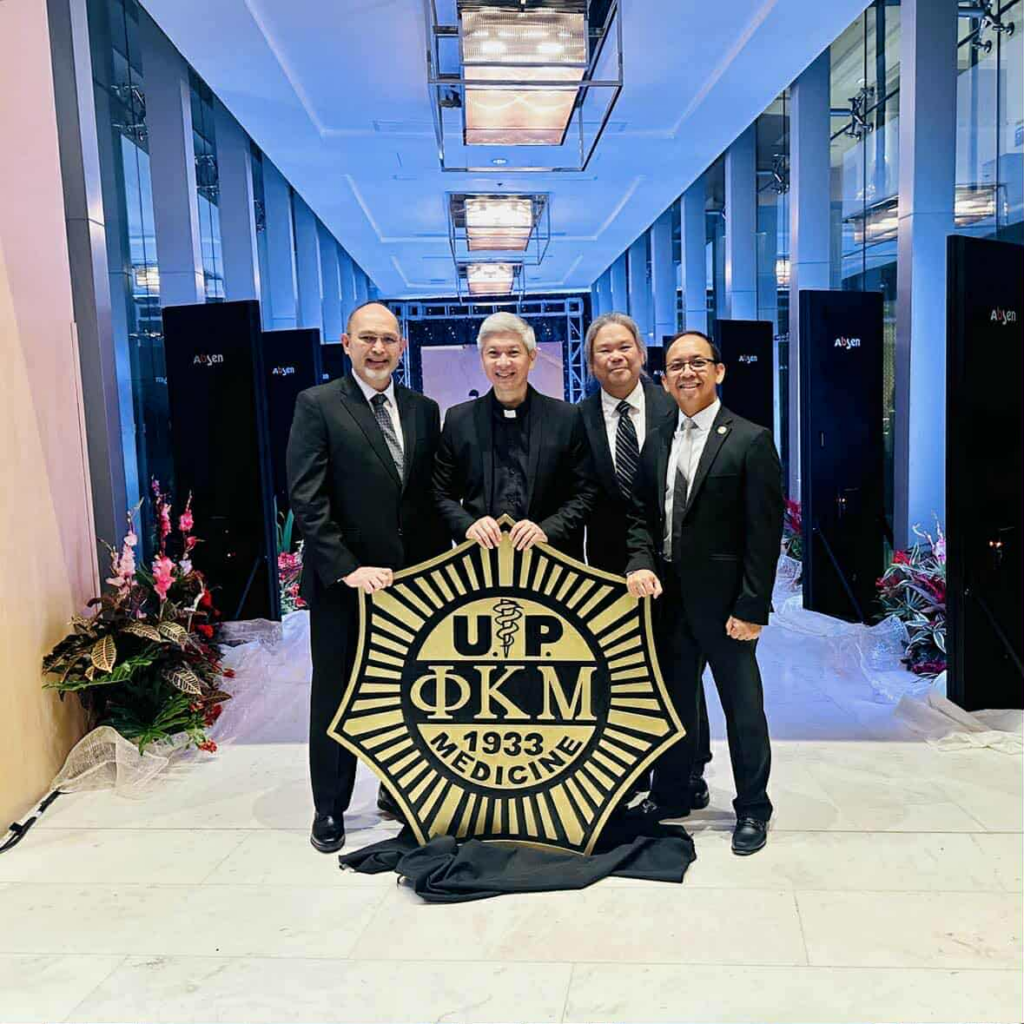
“When we broke off, parang may cavity,” he recalls of a breakup. “I wanted to belong somewhere.” What he found was not perfection, but community, shared meals, weekly gatherings, and quiet loyalty. “It’s that sense of belonging somewhere,” he says. “Knowing that you’re part of the school… I wasn’t a fanatic, but I was loyal.” Brotherhood, for Brod Robbie, was less about identity and more about presence, an early experience of caring for others and being cared for in return.
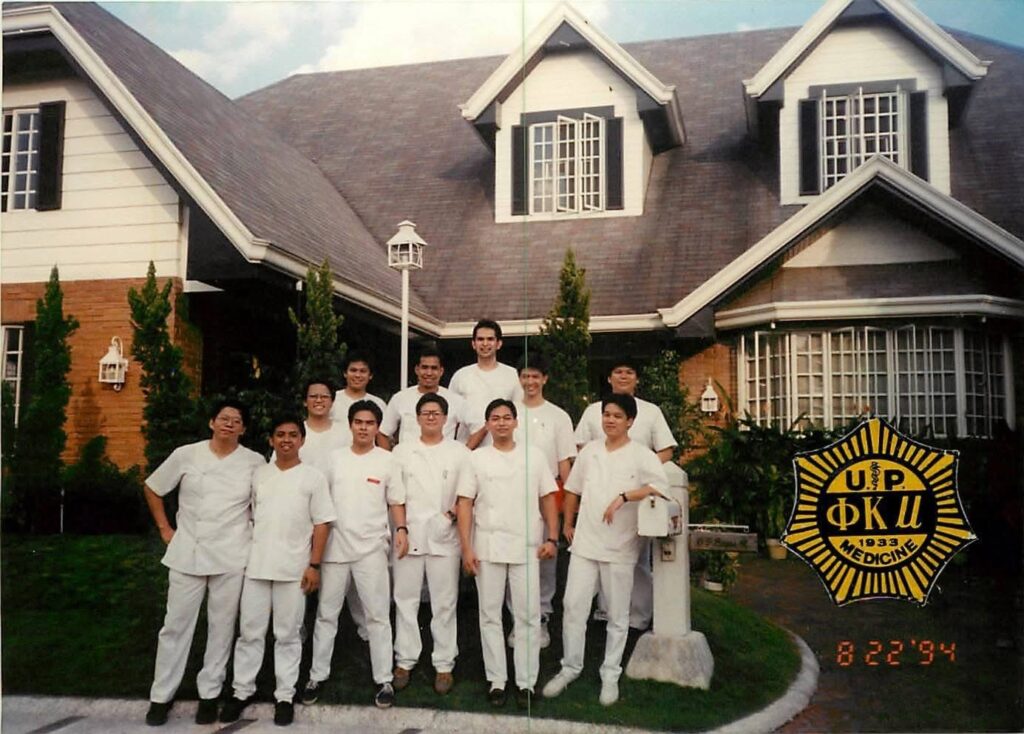
Over time, the demands of training continued to accumulate. What fraternity offered was steadiness, not escape. Brod Robbie finished medical school and went on to pursue residency training in Pediatrics, carrying with him the same desire to serve that had first drawn him to medicine. Yet as responsibility deepened and the pace intensified, fatigue set in not only of the body, but of the spirit.
Eventually, burnout forced a pause. “I didn’t want to do medicine again. Ever,” he says plainly. It was not a rejection of the profession, but an honest reckoning with his limits. During a year of Jesuit discernment, he encountered a conversion that reshaped everything, not intellectually, but deeply and personally. “For the first time in my life, His love was so real,” he shares. “I felt it in my heart. It was concrete.” Scripture struck close to home. The words of Peter, “Leave me, Lord, I am a sinful man,” mirrored his own sense of unworthiness. Yet grace met him there. “The Lord has considered me in my low estate,” he recalls. “I know your limitations, your faults, but I’m still considering you.” Discernment, he realized, is not about being enough. It is about being honest.
What followed was not a clean division between paths, but a gradual integration. Discernment did not ask him to abandon what he had been trained to do; it asked him to see it differently. The question was no longer whether medicine or priesthood would define him, but how each might inform the way he understands service, responsibility, and care.
Faith did not erase his identity as a physician; it reframed it. “If they ask me to use my doctor skills, I will,” he says. “Not because I’m hot for it, but because I will agree, if that’s how you want me to serve.” Fr. Robbie now understands medicine and priesthood as two complementary ways of healing. “As a doctor, you take care of the body,” he explains. “As a priest, you take care of the soul.” Both demand humility. Both require presence. Both recognize that people are complex and healing is never absolute. “You use it or you lose it,” he adds. “That’s true for health. It’s true spiritually.”
This integrated way of seeing did more than reconcile two identities; it reshaped how Brod Robbie understands service itself. Once medicine and priesthood were no longer in competition, the question shifted from what he was to how he was called to serve. In that shift, vocation ceased to be defined by title or trajectory and became instead a way of inhabiting one’s work, relationships, and responsibilities.
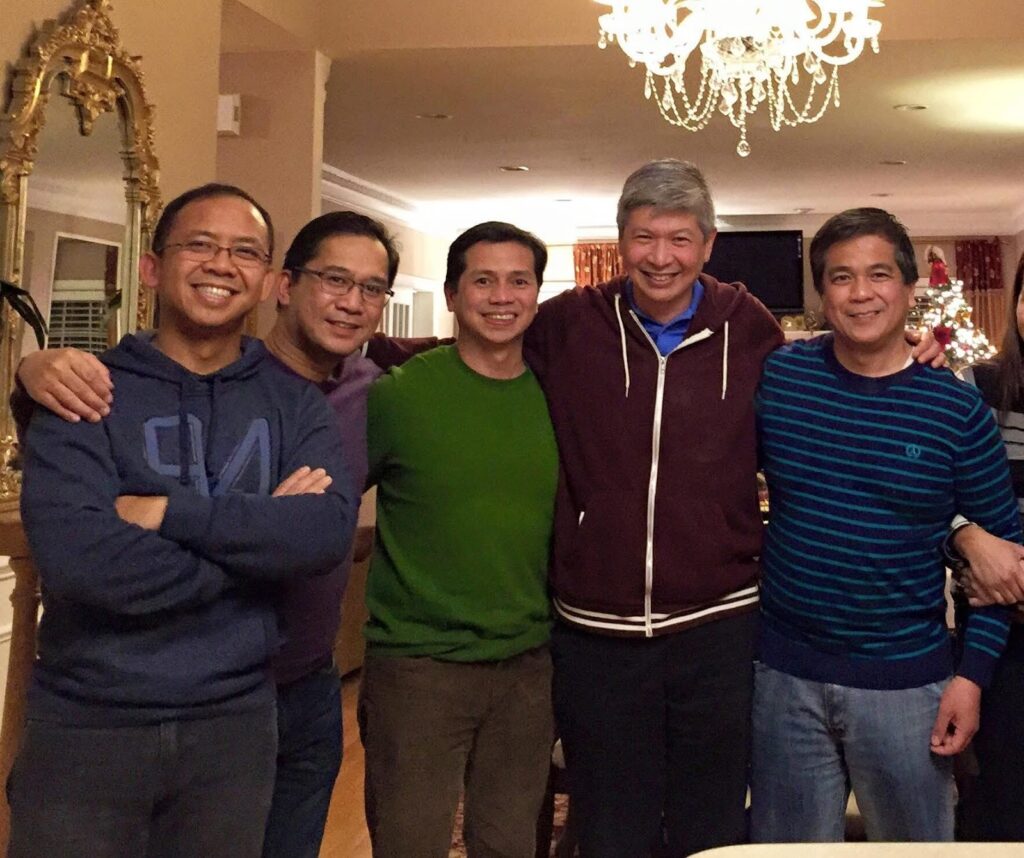
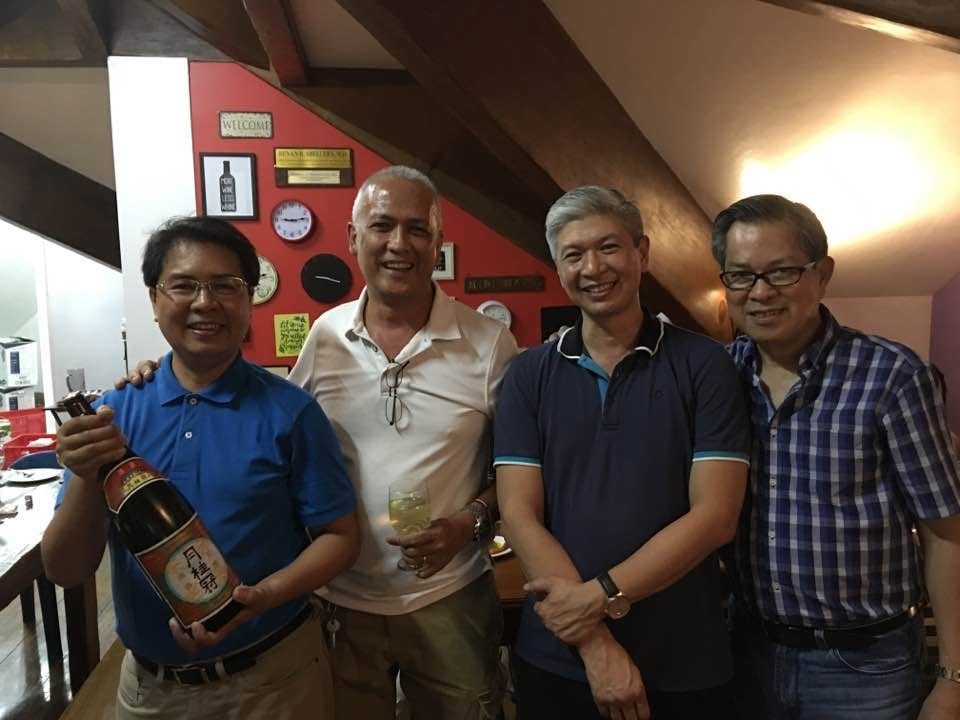
One of the most striking insights from Brod Robbie’s journey is his insistence that becoming a doctor is not the end point of service. Medicine, he reflects, is not a destination but a means. The MD is not a finish line; it is an invitation. Service does not begin or end with a profession. It is a posture carried into whatever role we occupy, whatever path we walk, and whatever season we find ourselves in. Whether in clinics, classrooms, communities, or quiet conversations, the call remains the same: to ease suffering, to accompany, and to care. For Brod Robbie, this truth dissolves false hierarchies between vocations. What matters is not where one serves, but how. Service is not diminished when it changes form; it deepens when it is rooted in love.
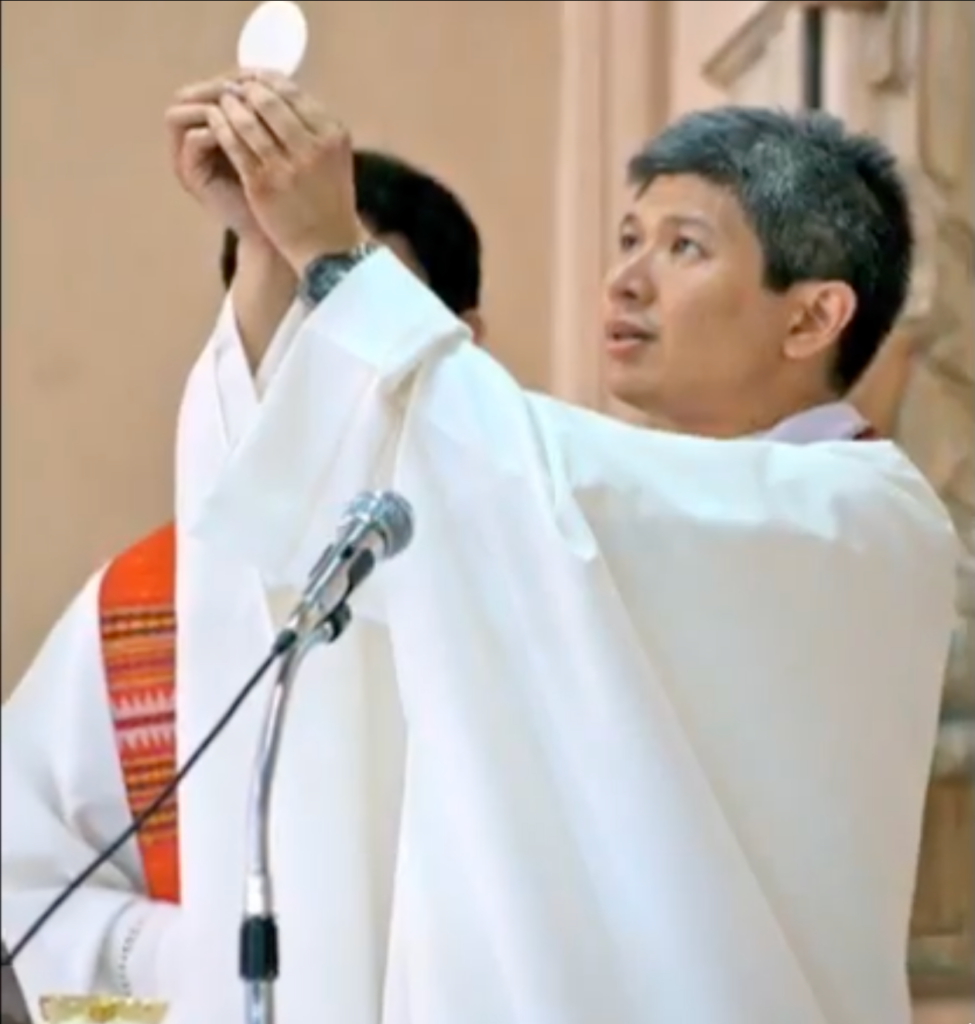
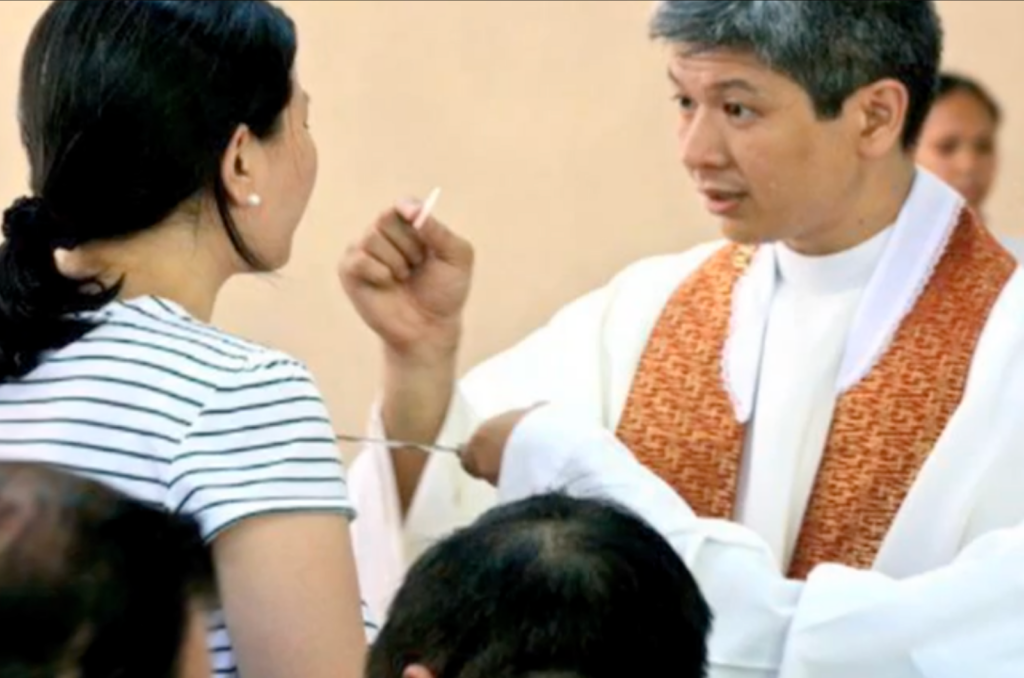
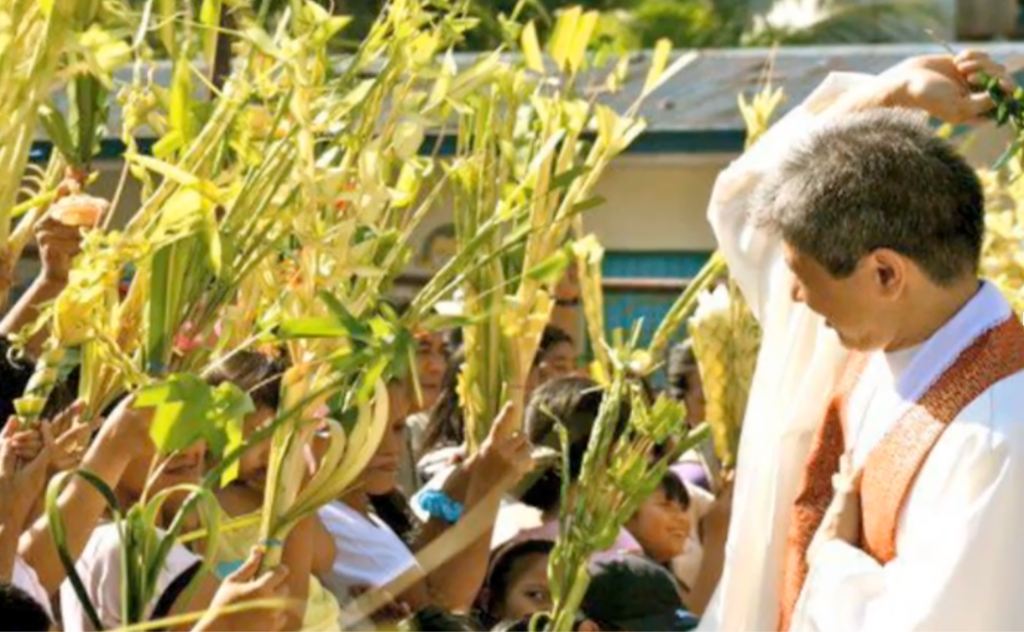
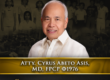
Photo credits from Johnny Go (2009) https://www.youtube.com/watch?v=TA003C71Nxo&t=84s
From this understanding flows a clear ethical conviction. Across medicine and faith, one principle remains firm: unnecessary suffering is not acceptable. Faith, for him, does not glorify pain; it demands dignity. “How can you preach to someone who is starving?” he asks. “You have to take care of the basic needs first.” Healing, then, must be holistic. Service must address the whole person. “You’re not just giving service,” he says. “You’re giving a part of yourself.”
Across his identities, as a physician, as a loyal son of the Phi Kappa Mu, and as a Jesuit, Father Robbie sees one unifying thread. “It’s the same,” he says. “When you serve, you want to serve wholeheartedly.” This is magis: not doing more for the sake of more, but giving more of oneself with intention and care. Brotherhood becomes a training ground for this kind of service, where men learn to persevere, to reflect, and to grow together.
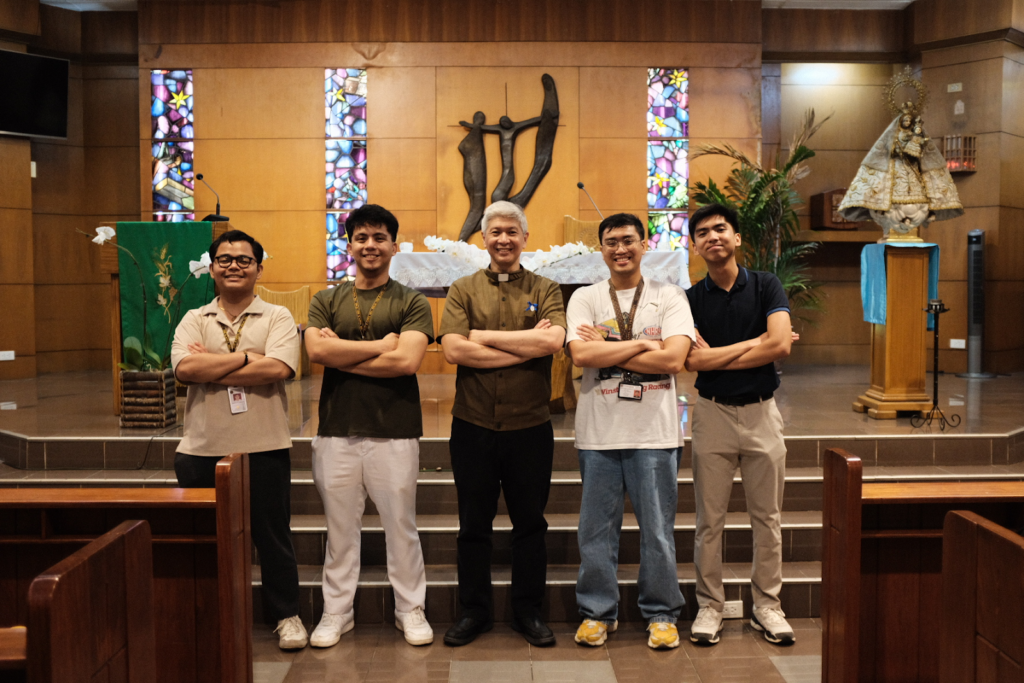
Today, that posture of service finds concrete expression in his work as a teacher and formator. Brod Robbie teaches ethics and theology not only to those discerning religious life, but also to lay students preparing for professional careers. In classrooms and corridors alike, he is known for his availability, particularly to students of the Ateneo professional schools, offering counsel, accompaniment, and steady presence in moments of confusion or strain. His service extends beyond formal roles, reaching fellow brothers and sisters in Christ who seek guidance, listening, or simply someone willing to walk with them. In these quiet, often unseen ways, his vocation continues to take shape, not as authority exercised from a distance, but as care practiced up close.
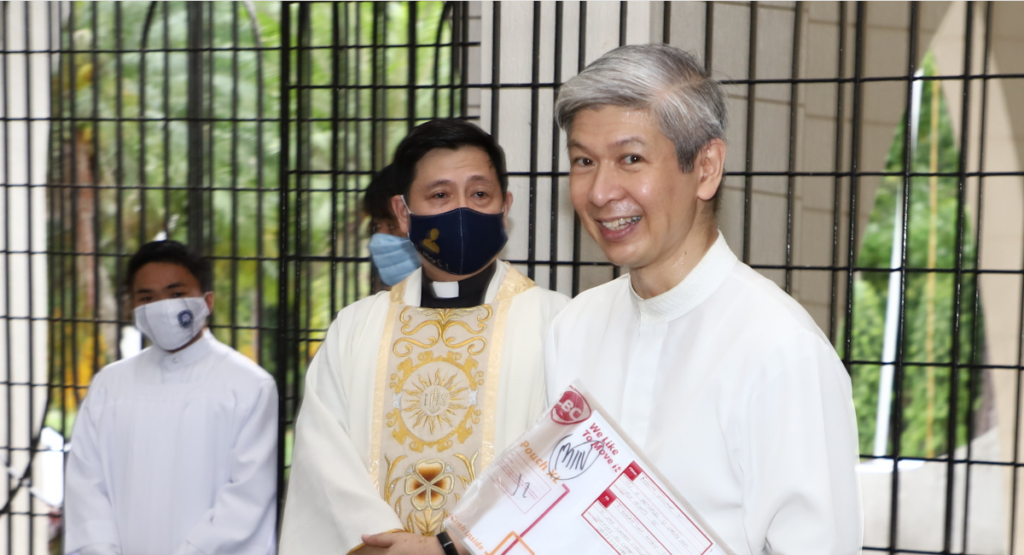
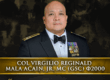
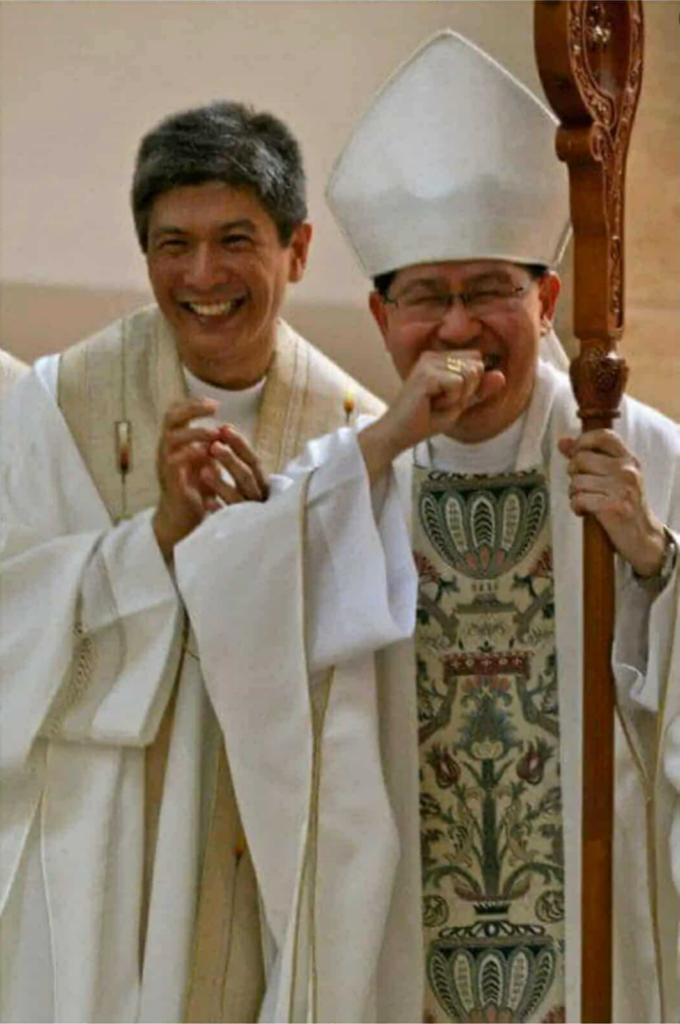
Photo Credits from the Jesuit Conference of Asia Pacific (https://jcapsj.org/2020/06/final-vows-a-celebration-of-gods-love/)
When asked how he hopes to be remembered, Brod Robbie does not speak of titles or accomplishments. “Making things better,” he says. “Easing the burdens. Guiding.” His life reminds us that healing happens wherever love meets presence, and that service, when grounded in humility and brotherhood, heals not only others but also the one who serves. In Brod Fr. Robbie, we are reminded, quietly and clearly, of an enduring truth: healing that serves, and service that heals.